Why Every Aspiring Web Developer Must Learn HTML And CSS

In today’s digital era, knowing how to code is a very useful skill. Coding powers all the websites, apps, and systems we use daily. It is the backbone of our virtual world. For those wanting to create websites, HTML and CSS are essential. They are the first steps for becoming a web developer. These two technologies have been around for a long time, yet they remain important today. Without them, creating websites would be impossible.
HTML defines the structure of a website. CSS allows developers to style and make a site visually attractive. Together, they form the basic building blocks of web development. For beginners, learning these is like building the base of a house. Whether designing a portfolio website or a blog, these skills are non-negotiable.
Understanding The Foundations Of Web Development
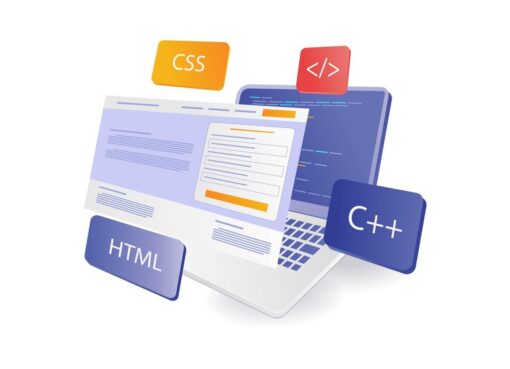
Creating a website starts with these two technologies: HTML and CSS. HTML is for organising the content. It includes headlines, paragraphs, links, and images. CSS lets you add colours, format text, and design layouts to make websites look nice, looking pretty. While advanced tools exist, simple HTML and CSS are still powerful.
HTML works in tags. For example, if you want a heading, you use the h1 tag. If you write a paragraph, use a p tag. An href tag links to other pages of the website. CSS, on the other hand, is for controlling styles. For example, you can adjust font sizes, colours, or paddings.
Learning the basics of these two tools is very important. It is like understanding the ABCs before you can write whole sentences. Jumping into JavaScript or PHP without knowing HTML and CSS would leave you confused because those languages depend on HTML and CSS for structure and styling.
Why HTML And CSS Are Essential For Aspiring Web Developers
HTML and CSS are used everywhere. Any browser, on mobile or desktop, reads and runs HTML and CSS. They remain the starting point for creating a website’s structure and design. Whether you are building a blog or a landing page, you need them.
Even advanced programming languages depend on these basics. For example, JavaScript interacts with a webpage through HTML elements. PHP uses HTML to present forms and user inputs. React and other libraries require a good understanding of CSS for designing buttons and layouts. Thus, they form the foundation.
Another skill that comes along with CSS is UI. Or UX. It is how a website’s colours, fonts, and styles influence users’ experience. Knowing CSS basics will help a lot in designing according to these principles. If you cannot make your content look appealing, users might leave your page.
Advantages Of Knowing HTML And CSS Early In Your Career
Learning these early can be a career-changing step. Beginners find it easier to learn frameworks later, like Bootstrap or Tailwind. If you make a mistake, you will know which HTML or CSS element is broken based on your foundation.
Freelancers or new developers benefit a lot from these skills. CSS lets you design beautiful websites with simple tools, without depending on other team members for help. You can easily create simple websites for clients and charge them for your work.
Mastering these skills instils confidence. You can start with a small, personal project to see immediate results. Imagine adding a colored background to a site, pressing save, and seeing your progress instantly. That makes you feel accomplished. It encourages you to try more.
Common Misconceptions About HTML And CSS
Some people think: These tools are too easy. But skipping on HTML and CSS details can lead to problems. Each line of HTML should be written properly. A basic understanding of CSS can improve more complex designs.
Another belief is that CSS is not crucial. Even backend developers benefit from CSS. If you work on a server-side language, you might still need to set up email templates. Or create basic forms using simple CSS.
Many depend on frameworks like React or Angular. They assume HTML and CSS do not matter anymore. However, you should understand raw HTML. Because frameworks still use HTML at their core. Relying only on these tools introduces bugs if you do not grasp these basics.
The Role Of HTML And CSS In Advanced Web Development
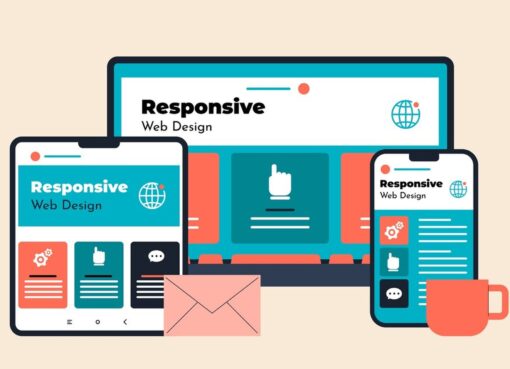
CSS helps in advanced features like responsive design. HTML helps create pages that change size and optimise for mobile screens or tablets. If you write structured HTML, the code becomes easier for others to read and edit.
Dynamic web apps use JavaScript. Your code depends on a meaningful arrangement of HTML elements. Special CSS also gives animations or transitions to your app more life. Special CSS code lines bring motion to a website. The way React, Vue, or Angular components are designed is heavily built around HTML and CSS tags.
Websites should also be accessible. Developers favour semantic HTML to assist screen readers for disabled users. Semantic HTML aids navigation for people who struggle with complicated pages. Overlooking this damages the user experience and affects your site’s accessibility score.
How To Start Learning HTML And CSS Effectively
To master, you must begin coding right away. You should balance theory and practice for learning free resources. I suggest visiting MDN Web Docs or sites like Codecademy for a start. They break down concepts in a simple way.
Next, build small projects. Start with an About Me page. Then try creating a photo gallery or commenting form. As your confidence grows, learn media queries to make your designs responsive. Designing with layouts teaches you.
Conclusion
Learning HTML and CSS is necessary. Both are critical for web development processes today from starting basic projects to becoming an expert coder. There are many tutorials to start from scratch. These resources make learning less overwhelming for beginners. Trends in the development field may evolve, but the importance of structured HTML or efficient CSS will not go away.